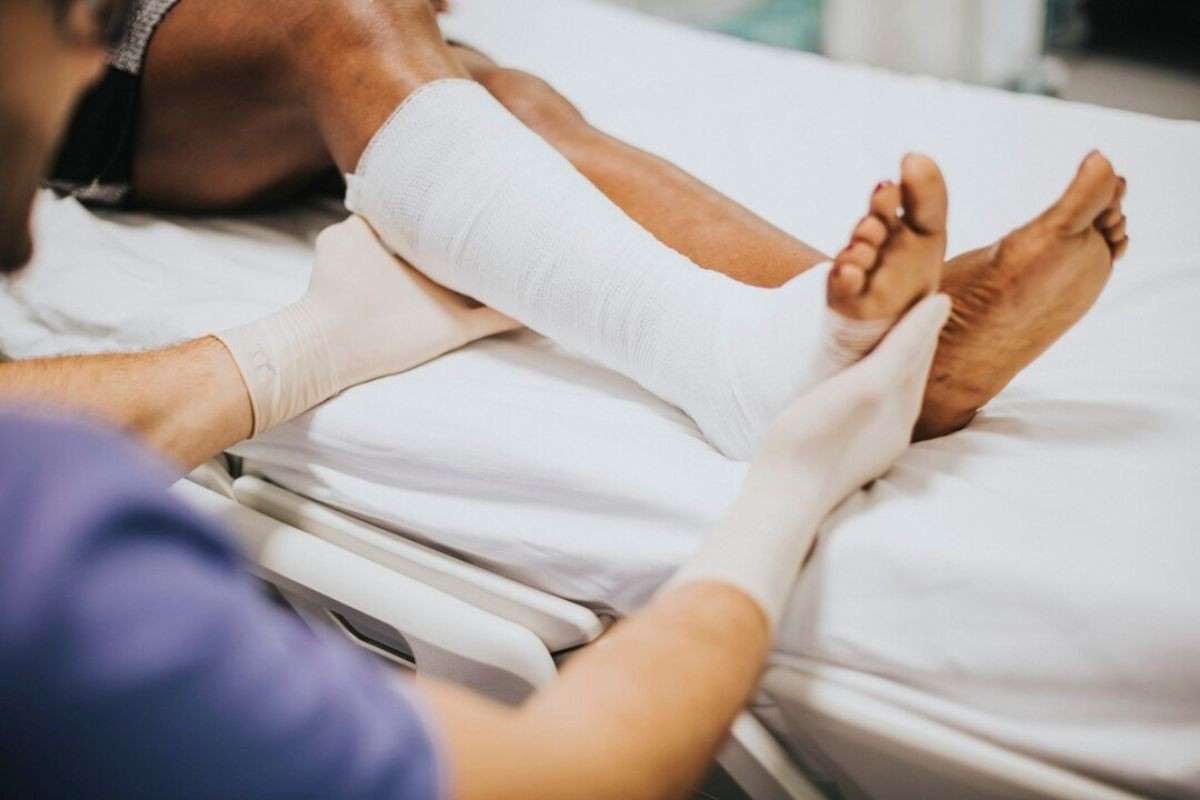
A wound that does not close, takes a long time to heal, or comes back may need more than home care. Advanced wound care in Upland provides special treatment for wounds that are hard to heal or need regular medical care. Treatment may include cleaning the wound, keeping it covered, using the right dressing, treating an infection if needed, and helping the body heal. The right treatment depends on the wound and your overall health. Doctors may consider the wound’s size, depth, location, cause, and other health factors when choosing the best care.
How Does Advanced Wound Care Help With Healing?
Advanced wound care uses a planned approach based on the condition of the wound. Instead of treating every wound in the same way, care is adjusted as healing progresses.
Treatment May Include:
- Cleaning the wound and removing unhealthy tissue when needed
- Protecting the wound with a suitable dressing
- Managing moisture around the wound
- Checking for signs of infection
- Supporting healthy tissue growth
- Reducing pressure on areas that need protection
This can help create a better environment for the wound to heal.
When Is Advanced Wound Care Needed?
Not every cut or sore requires specialized treatment. Basic wounds may heal with proper cleaning, protection, and routine monitoring.
Advanced wound care in Upland may be needed when a wound:
- Does not show signs of improvement
- Keeps opening or breaking down
- Has signs of infection
- Is deep or extensive
- Develops from pressure or poor circulation
- Occurs repeatedly
- Affects an area that is difficult to protect
Early assessment can help identify why healing is taking longer than expected.
What Conditions Can Require Advanced Wound Care?
Different types of wounds may benefit from specialized care. The cause of the wound often helps guide the treatment plan.
Examples Include:
- Diabetic foot wounds
- Pressure sores
- Venous leg ulcers
- Arterial wounds
- Wounds caused by injury
- Surgical wounds that are slow to heal
- Skin ulcers that keep returning
A wound should be assessed based on its condition rather than how it looks alone.
Why Does Wound Assessment Matter?
Finding the reason behind delayed healing is an important part of wound care. A wound may remain open because of pressure, poor blood flow, infection, repeated injury, or another underlying concern.
A podiatrist in Upland may assess wounds involving the feet and lower legs, especially when they affect walking or daily activities.
During an Assessment, Care May Include Checking:
- Wound size and depth
- Skin around the wound
- Blood flow
- Signs of infection
- Swelling
- Pressure on the affected area
- Changes over time
This information helps guide the next steps.
What Makes Advanced Wound Care Different From Basic Wound Care?
Basic wound care often involves simple cleaning, covering, and protecting a minor wound. Advanced care is generally used when those steps are not enough or when the wound has added risks.
A treatment plan may involve closer monitoring and specialized dressings or procedures based on the wound’s needs.
The goal is not simply to cover the wound. The focus is on identifying barriers to healing and addressing them whenever possible.
How Can You Support Wound Healing at Home?
Professional care is only one part of recovery. Following your care instructions at home can also help protect the wound.
Helpful Steps May Include:
- Keep the wound clean as instructed.
- Change dressings according to your care plan
- Avoid putting unnecessary pressure on the area.
- Check for changes in colour, swelling, drainage, or pain.
- Keep follow-up appointments
- Follow instructions related to footwear or activity.
Do not apply creams, antiseptics, or home remedies unless they have been recommended for your wound.
When Should You Seek Professional Wound Care?
A wound that is not improving deserves attention, particularly when symptoms are becoming worse. A podiatrist near you can help determine whether a foot or lower-leg wound needs further evaluation.
Seek Professional Care If You Notice:
- Increasing redness or swelling
- New or worsening pain
- Pus or unusual drainage
- Bad odour from the wound
- Fever or feeling unwell
- Skin becoming darker around the wound.
- A wound that remains open without improvement
Prompt assessment may help prevent a small problem from becoming more difficult to manage.
Take the Next Step Toward Better Wound Healing!
A wound that stays open or heals slowly may need closer attention and a more focused care plan. A proper evaluation can help uncover possible barriers to healing, protect the affected area, and guide the right treatment for your situation. Timely care can also help you stay ahead of changes that may make recovery more difficult.
Book an appointment with Wound Care Center of So Cal to have your wound carefully evaluated, understand your treatment options, and receive ongoing support focused on safer, healthier healing.
FAQs
Can advanced wound care treat an infected wound?
Infection may require specific treatment, depending on its severity and cause. A healthcare professional can assess the wound and determine the appropriate approach.
Is advanced wound care only for people with diabetes?
No. Specialized wound care may be needed for several reasons, including pressure injuries, circulation problems, injuries, and wounds that heal slowly after surgery.
Can a wound heal without advanced treatment?
Some wounds heal with basic care. Advanced treatment may be recommended when a wound is not improving or has factors that make healing more difficult.
What happens during a wound care visit?
The wound is assessed for its size, depth, surrounding skin, and signs of infection or other problems. The recommended care is then based on these findings.