
Vascular Testing in Upland, CA
Vascular Testing Near You
Changes in blood flow can affect how your legs feel, how comfortably you walk, and how well wounds heal. At Wound Care Center of So Cal, we provide vascular testing in Upland, CA, to evaluate circulation in the feet and lower limbs and identify signs that may require further attention.
Testing can provide useful information when you have unexplained leg discomfort, skin changes, or a slow-healing wound. If you are looking for vascular testing near you, our team offers noninvasive evaluations in a calm and supportive setting.
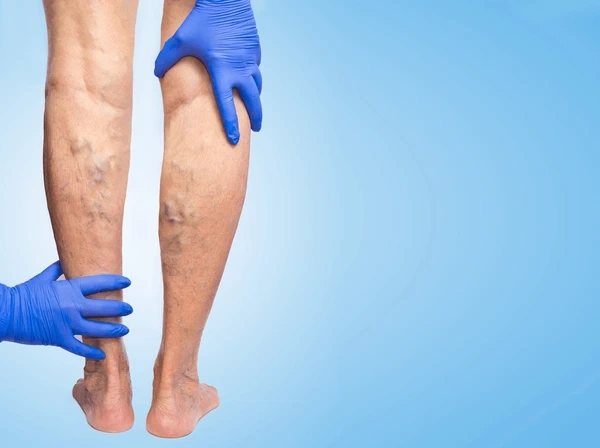
What Is Vascular Testing?
Vascular testing includes noninvasive assessments used to examine how blood moves through the arteries and veins. Reduced arterial blood flow may limit the oxygen and nutrients reaching the lower limbs, while problems with venous circulation can contribute to swelling and skin changes.
The results can help identify circulation problems, guide wound-care decisions, and determine whether additional evaluation is necessary. If you are looking for a podiatrist near you for vascular testing, our team can assess your symptoms and recommend an appropriate evaluation.
When Is Vascular Testing Needed?
A circulation assessment may be recommended if you experience:
Leg discomfort
Cramping, aching, or fatigue that develops while walking
Cold feet or toes
One or both feet feeling unusually cool
Slow-healing wounds
Cuts, ulcers, or surgical wounds that show limited progress
Skin color changes
Pale, bluish, reddish, or darkened areas on the feet or legs
Persistent swelling
Fluid buildup around the ankles, feet, or lower legs
Reduced pulses
Weak or difficult-to-detect pulses during a foot examination
Resting pain
Foot or leg discomfort that develops while lying down
Increased risk factors
Diabetes, smoking, or a history of circulation problems
Receiving vascular testing near you can make follow-up assessments more convenient when your circulation needs ongoing monitoring.
Vascular Testing Options
The type of assessment recommended depends on your symptoms, wound condition, and medical history. Testing may include:
Pulse examination
Checking circulation at several points in the feet and ankles
Ankle-brachial index
Comparing blood pressure in the ankle and arm to screen for reduced arterial flow
Toe pressure testing
Measuring circulation in the toes when additional information is needed
Doppler assessment
Using sound waves to evaluate blood movement through the vessels
Skin evaluation
Examining temperature, color, swelling, and tissue condition
Wound assessment
Considering how circulation may be affecting an open sore or ulcer
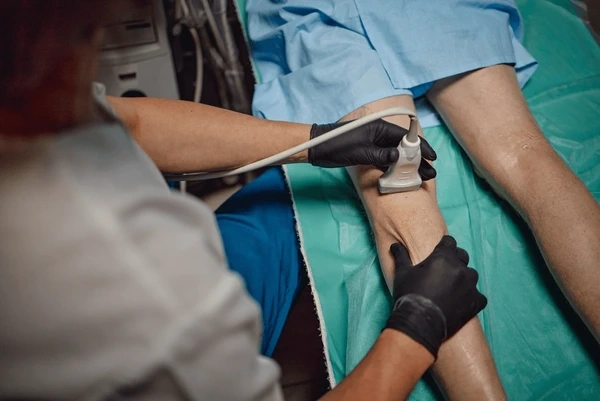
What Are the Benefits of Vascular Testing?
A detailed circulation evaluation may help:
Identify reduced blood flow
Testing can reveal possible arterial or venous circulation problems.
Guide wound treatment
Results help us choose care that is appropriate for the available blood supply.
Improve treatment safety
Circulation findings can help determine whether compression or debridement is suitable.
Monitor existing conditions
Follow-up testing allows changes in blood flow to be tracked over time.
Support early intervention
Recognizing circulation problems promptly may reduce the risk of further tissue damage.
Clarify the next steps
Results can indicate whether continued monitoring or additional evaluation is needed.
If you are unsure whether vascular testing is appropriate for your symptoms, visit our podiatrist in Upland, CA, for an examination.
What to Expect During Your Vascular Testing Visit
Your appointment is tailored to the symptoms and circulation problems. We usually follow these steps when providing vascular testing in Upland, CA:
Reviewing your medical history
We discuss your symptoms, medications, health conditions, and previous circulation problems.
Examining your lower limbs
We check skin color, temperature, swelling, wounds, and other visible changes.
Assessing your pulses
We evaluate blood flow at different locations in the feet and ankles.
Performing the test
We place cuffs or sensors on the limbs and collect circulation measurements.
Comparing the findings
We review the information gathered from each part of the assessment.
Explaining your results
We discuss what the findings may mean in clear, understandable language.
Planning further care
We recommend monitoring, treatment, or additional evaluation when appropriate.
Why Choose Wound Care Center of So Cal for Vascular Testing?
Circulation testing requires careful measurements and an understanding of how blood flow affects lower-extremity health. At Wound Care Center of So Cal, we take time to evaluate your symptoms and explain the results clearly. When you choose our team for vascular testing near you, you can expect:
Thorough assessments
We consider your symptoms, medical history, and foot health before testing.
Noninvasive methods
We use comfortable techniques that do not require incisions or injections.
Personalized recommendations
We base the next steps on your results and individual needs.
Clear communication
We explain the testing process and answer your questions throughout the visit.
Careful monitoring
We compare changes at clinically appropriate intervals.
Supportive care
We help you feel comfortable and informed from beginning to end.
Schedule Your Vascular Testing Appointment
Understanding your circulation can help guide safer and more appropriate care for your feet and lower limbs. At Wound Care Center of So Cal, we offer vascular testing in Upland, CA, to assess blood flow and identify concerns that may affect wound healing or mobility.
Our team is ready to evaluate your symptoms and explain the recommended next steps. Call us at (909) 920-0884 to schedule an appointment.
FAQs
Does vascular testing hurt?
Most assessments are painless and noninvasive. You may feel temporary pressure when a cuff inflates, similar to a routine blood pressure measurement.
How long does vascular testing take?
The appointment length depends on the assessments needed. Many evaluations can be completed within 30 to 60 minutes.
Do I need to prepare for the test?
Most tests require little preparation. Wear comfortable clothing that allows access to your feet and lower legs, and follow any additional instructions provided before your visit.
When will I receive my results?
We can often discuss the initial findings during the same appointment. If further review or additional testing is needed, we will explain what happens next.
Can I return to my usual activities afterward?
Because these assessments are noninvasive, most individuals can resume their normal activities immediately unless another condition requires restrictions.