
Negative Pressure Wound Therapy (Wound VAC) in Upland, CA
Negative Pressure Wound Therapy (Wound VAC) Near You
A deep or slow-healing wound may need added support to remove excess fluid and protect the wound bed. At Wound Care Center of So Cal, we provide negative pressure wound therapy (wound VAC) in Upland, CA, for certain complex wounds that may benefit from controlled suction.
This therapy requires proper placement, regular dressing changes, and close monitoring throughout treatment. If you are looking for negative pressure wound therapy (wound VAC) near you, our team can examine the wound and determine whether this approach is appropriate for your needs.
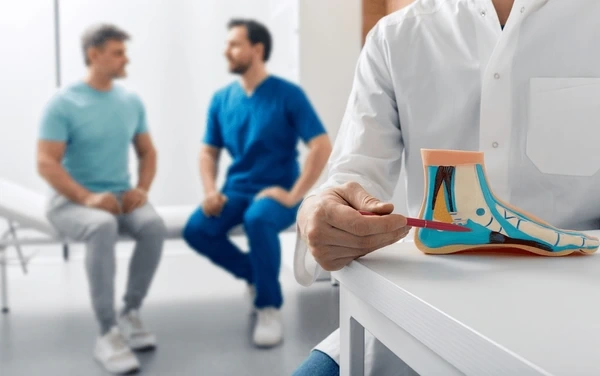
What Is Negative Pressure Wound Therapy (Wound VAC)?
Negative pressure wound therapy uses a sealed dressing connected to a small pump that applies controlled suction to the wound. The system removes excess fluid from the area and helps maintain a protected wound environment. It may also support the formation of healthy tissue and help bring the wound edges closer together in suitable cases.
If you are looking for a podiatrist near you for negative pressure wound therapy involving the foot, heel, or ankle, our team can assess the wound and identify factors that may affect its healing.
When Is Negative Pressure Wound Therapy (Wound VAC) Needed?
This treatment may be considered for:
Deep wounds
Wounds that extend below the skin may require added support as tissue gradually fills in.
Surgical wounds
Incisions that remain open or develop complications may benefit from a sealed healing environment.
Diabetic foot ulcers
Certain ulcers may respond to controlled fluid removal after pressure and circulation have been evaluated.
Pressure ulcers
Deeper pressure injuries may require additional wound-bed management.
Traumatic wounds
Injuries involving tissue loss may need protection and ongoing drainage control.
Skin grafts or flaps
The therapy may help hold selected grafts or flaps in place when clinically appropriate.
Accessing negative pressure wound therapy (wound VAC) near you can make regular dressing changes and follow-up examinations easier to maintain.
What Are the Benefits of Negative Pressure Wound Therapy (Wound VAC)?
When recommended for the right type of wound, this therapy may help:
Remove excess fluid
Controlled suction draws drainage away from the wound bed.
Manage swelling
Removing fluid may help reduce localized swelling around the affected area.
Protect the wound
The sealed dressing limits direct exposure to outside contaminants.
Support tissue formation
A controlled environment may encourage the development of healthy granulation tissue.
Promote wound closure
The therapy may help draw the wound edges inward over time.
Reduce dressing disruption
The dressing can remain securely in place between scheduled changes when the seal is maintained.
If you are unsure whether negative pressure wound therapy is suitable for your wound, visit our podiatrist in Upland, CA, for an examination.
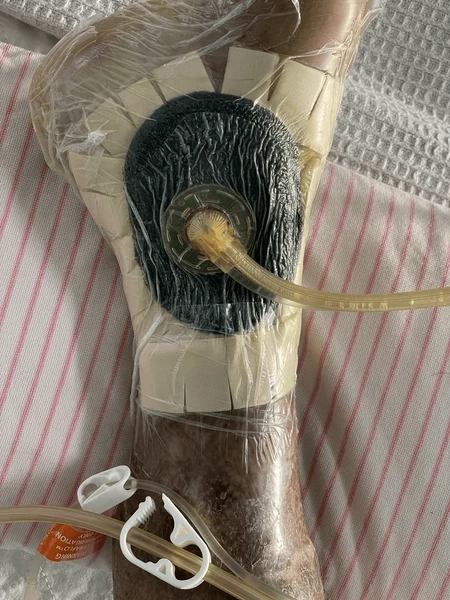
What to Expect During Negative Pressure Wound Therapy
Treatment is planned according to the wound’s size, depth, location, drainage, and overall condition. We usually follow these steps when providing negative pressure wound therapy (wound VAC) in Upland, CA:
Reviewing your medical history
We discuss your health conditions, medications, symptoms, and previous wound treatments.
Examining the wound
We assess its size, depth, tissue, drainage, surrounding skin, and signs of infection.
Preparing the area
We clean the wound and remove unhealthy tissue when clinically appropriate.
Placing the dressing
We position a special foam or gauze dressing inside or over the wound.
Creating the seal
We cover the dressing with an adhesive film and connect it to the pump.
Adjusting the suction
We set the device according to the treatment plan and confirm that the seal is working properly.
Planning follow-up care
We provide device instructions and schedule dressing changes and wound evaluations.
Why Choose Wound Care Center of So Cal for Negative Pressure Wound Therapy?
Negative pressure wound therapy requires careful application and regular assessment. At Wound Care Center of So Cal, we monitor the wound closely and adapt treatment as its condition changes. When you choose our team for negative pressure wound therapy (wound VAC) near you, you can expect:
Detailed evaluations
We examine the wound and consider the factors that may be slowing its recovery.
Personalized care plans
We tailor the treatment settings and dressing schedule to your clinical needs.
Careful dressing placement
We apply the system securely while protecting the surrounding skin.
Clear device instructions
We explain how to manage the pump and what to do if the seal becomes loose.
Regular progress checks
We measure the wound and adjust treatment when necessary.
Supportive communication
We answer your questions and help you feel informed throughout your care.
Schedule Your Wound Therapy Appointment
A complex wound should be evaluated before it becomes more difficult to manage. At Wound Care Center of So Cal, we offer negative pressure wound therapy (wound VAC) in Upland, CA, to remove excess drainage and support healing in suitable wounds.
Our team can determine whether this treatment fits your condition and explain each stage of care. Call us at (909) 920-0884 to schedule an appointment.
FAQs
Is negative pressure wound therapy painful?
You may notice a gentle pulling sensation when the pump begins working. Some discomfort can occur during dressing changes, but we take steps to support your comfort throughout treatment.
How often will the dressing need to be changed?
The schedule depends on the wound and the amount of drainage. Dressings are commonly changed several times a week, but we will provide instructions based on your individual treatment plan.
Can I move around while using the device?
Many devices are portable, but your activity level will depend on the wound’s location and condition. We will explain how to move safely without pulling on the tubing or disturbing the dressing.
What should I do if the pump sounds an alarm?
Check whether the tubing is bent, disconnected, or blocked and whether the dressing seal has lifted. Follow the instructions we provide and contact our clinic if the alarm continues.
When should I contact the clinic during treatment?
Contact us if you notice increased pain, redness, swelling, bleeding, odor, fever, a sudden change in drainage, or a problem with the device that you cannot correct.