
Pressure Ulcer (Bedsore) Treatment in Upland, CA
Pressure Ulcer (Bedsore) Treatment Near You
A pressure ulcer can become deeper and more difficult to manage when it is not treated promptly. At Wound Care Center of So Cal, we provide pressure ulcer (bedsore) treatment in Upland, CA, to protect damaged tissue, relieve pressure on the affected area, and support wound healing.
Ongoing care is often necessary because pressure ulcers can change over time. If you are looking for pressure ulcer (bedsore) treatment near you, our team provides careful evaluations, personalized recommendations, and clear guidance for you and your caregiver.
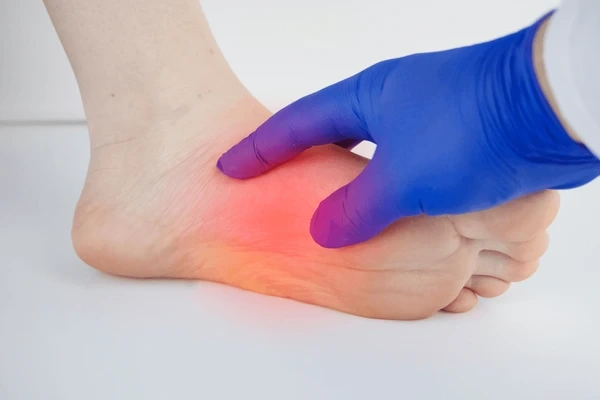
What Is Pressure Ulcer (Bedsore) Treatment?
A pressure ulcer, also known as a bedsore, is an injury to the skin and underlying tissue caused by prolonged pressure or pressure combined with friction and shearing. These wounds commonly develop over bony areas, such as the heels, ankles, hips, or tailbone, particularly when mobility is limited.
Treatment is intended to protect the wound, reduce continued pressure, manage moisture and drainage, and create an environment that supports healing. If you are looking for a podiatrist near you for pressure ulcer treatment affecting the foot, heel, or ankle, our team can examine the wound and recommend care based on its location and severity.
When Is Pressure Ulcer (Bedsore) Treatment Needed?
A professional evaluation may be necessary if you notice:
Persistent discoloration
The skin remains red, purple, blue, or darker than the surrounding area.
Temperature changes
One area feels noticeably warmer or cooler than nearby skin.
Changes in texture
The skin feels unusually firm, soft, swollen, or spongy.
Ongoing tenderness
A specific area becomes painful or sensitive to pressure.
Skin breakdown
A blister, scrape, shallow opening, or deeper wound develops.
Visible drainage
Fluid, blood, or discharge appears around the damaged skin.
Pressure ulcers are more likely to develop in individuals with reduced mobility, impaired sensation, prolonged bed rest, or difficulty changing positions without assistance.
What Are the Benefits of Pressure Ulcer (Bedsore) Treatment?
Professional wound care may help:
Relieve ongoing pressure
Positioning and offloading recommendations can reduce stress on the injured area.
Protect exposed tissue
Appropriate dressings can shield the wound from friction and contamination.
Manage wound drainage
Suitable materials can help maintain a balanced level of moisture.
Identify concerning changes
Regular examinations can reveal signs of infection or further tissue damage.
Track healing progress
Measurements and visual assessments allow changes to be monitored over time.
Improve home care
Practical instructions help you and your caregiver protect the area between appointments.
If you are unsure whether professional wound care is appropriate, visit our podiatrist in Upland, CA, for an examination.
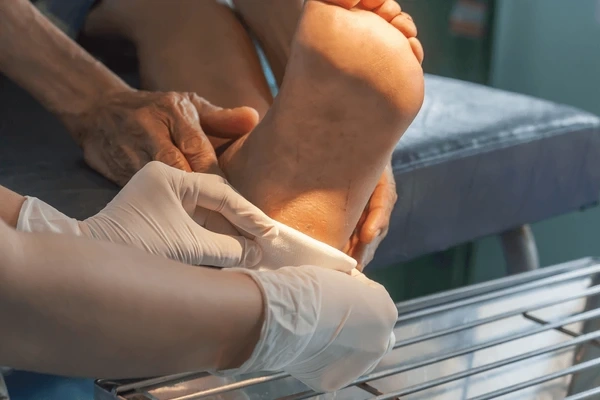
What to Expect During Your Pressure Ulcer Treatment Visit
Your care plan will depend on the ulcer’s location, depth, condition, and possible causes. We usually follow these steps when providing pressure ulcer (bedsore) treatment in Upland, CA:
Reviewing your health history
We discuss mobility concerns, current symptoms, medical conditions, medications, and previous wound care.
Examining the affected area
We assess the wound’s size, depth, drainage, surrounding skin, circulation, and signs of infection.
Cleaning the wound
We gently cleanse the area and may remove unhealthy tissue when clinically appropriate.
Applying a dressing
We choose a dressing based on the wound’s depth, moisture level, and amount of drainage.
Reducing pressure
We may recommend repositioning, padding, heel protection, or another offloading method.
Planning continued care
We provide home-care instructions and arrange follow-up visits based on the wound’s needs.
Why Choose Wound Care Center of So Cal for Pressure Ulcer Treatment?
Pressure ulcers require consistent attention and a care plan that responds to changes in the wound. At Wound Care Center of So Cal, we focus on protecting your comfort while addressing the factors that may be delaying healing. When you choose our team for pressure ulcer (bedsore) treatment near you, you can expect:
Thorough evaluations
We carefully examine the wound and the surrounding tissue.
Individualized care
We tailor our recommendations to the ulcer’s location, severity, and response to treatment.
Gentle techniques
We work carefully when cleaning sensitive tissue and changing dressings.
Clear communication
We explain each part of the care plan to you and your caregiver.
Consistent monitoring
We track wound changes and adjust treatment when necessary.
Practical guidance
We provide instructions for reducing pressure and protecting the area at home.
Schedule Your Pressure Ulcer Treatment Appointment
Early attention can help prevent a pressure ulcer from becoming deeper or more complicated. At Wound Care Center of So Cal, we offer pressure ulcer (bedsore) treatment in Upland, CA, to manage the wound and support your recovery.
Choosing pressure ulcer (bedsore) treatment near you can make ongoing evaluations and dressing changes easier to maintain. Call us at (909) 920-0884 to schedule an appointment.
FAQs
Will wound cleaning and dressing changes be painful?
Some tenderness is possible, particularly when the surrounding tissue is sensitive. We use careful techniques and encourage you to tell us immediately if you experience discomfort so we can adjust our approach.
Should I clean the pressure ulcer before my appointment?
Avoid using harsh soaps, peroxide, alcohol, or unapproved ointments on the wound. Unless you have already received specific instructions, gently protect the area with a clean dressing and wait for a professional evaluation.
How often will the dressing need to be changed?
The schedule depends on the type of dressing, the amount of drainage, and the wound’s condition. We will explain whether changes should be completed at home or during follow-up appointments.
What happens if the pressure ulcer does not improve?
We will reassess the wound and look for factors that may be delaying healing, such as continued pressure, infection, excess moisture, or reduced circulation. The treatment plan may then be adjusted.
How can I help prevent another pressure ulcer?
Changing positions regularly, keeping the skin clean and dry, checking vulnerable areas each day, using recommended pressure-relieving equipment, and following mobility and nutrition guidance may help lower the risk.