
Diabetic Foot Ulcer Care in Upland, CA
Diabetic Foot Ulcer Care Near You
A diabetic foot ulcer can worsen even when it causes little or no pain, so prompt attention is important. At Wound Care Center of So Cal, we provide diabetic foot ulcer care in Upland, CA, to evaluate the wound, protect surrounding tissue, and support safer healing.
Regular monitoring can help identify concerning changes before they become more serious. If you are looking for diabetic foot ulcer care near you, our team offers attentive treatment, practical guidance, and follow-up care tailored to your needs.
What Is Diabetic Foot Ulcer Care?
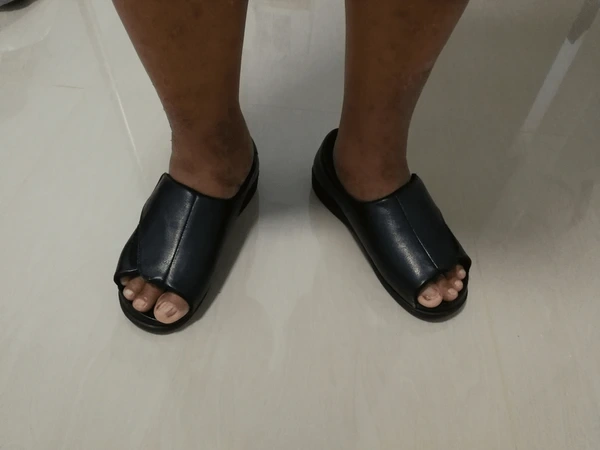
Diabetic foot ulcer care is specialized treatment for open sores that develop on the feet of individuals with diabetes. These ulcers commonly form over pressure points, such as the ball of the foot, heel, or underside of the toes. Reduced sensation may allow a blister, cut, or callus to go unnoticed, while reduced circulation can make healing more difficult.
This type of care focuses on managing the wound, relieving pressure, protecting healthy tissue, and addressing factors that may delay recovery. If you are looking for a podiatrist near you for diabetic foot ulcer care, our team can assess the wound and develop a plan based on its location, depth, and condition.
When Is Diabetic Foot Ulcer Care Needed?
A diabetic foot wound should be professionally evaluated as soon as possible. You may need care if you notice:
A persistent open sore
A cut, blister, scrape, or break in the skin is not healing as expected.
Ongoing drainage
Fluid, blood, or discharge appears on your socks, dressing, or inside your shoes.
Darkened tissue
The skin around the wound becomes red, purple, brown, or black.
A cracked callus
A thickened area of skin begins to split, drain, or break down.
Reduced sensation
You discover an injury that you did not initially feel because of numbness.
Increasing inflammation
The area becomes warmer, more swollen, redder, or increasingly tender.
Fever, chills, foul-smelling drainage, rapidly spreading redness, red streaks, or blackened tissue may indicate a serious problem and require immediate medical attention.
What Are the Benefits of Diabetic Foot Ulcer Care?
Timely professional treatment can support healing while reducing the chance of the wound becoming deeper or more complicated. Benefits may include:
Protecting vulnerable tissue
Appropriate dressings help shield the wound from friction and contamination.
Reducing harmful pressure
Offloading methods limit repeated stress on the injured area.
Identifying infection concerns
Regular examinations allow concerning changes to be recognized promptly.
Tracking wound progress
Measurements and visual assessments show whether the area is improving.
Supporting safer mobility
A personalized plan can help protect the foot during daily activities.
Improving home care
Clear instructions help you manage dressings and protect the area between visits.
If you are unsure whether diabetic foot ulcer care is appropriate for your needs, visit our podiatrist in Upland, CA, for an examination.
What to Expect During Your Diabetic Foot Ulcer Care Visit
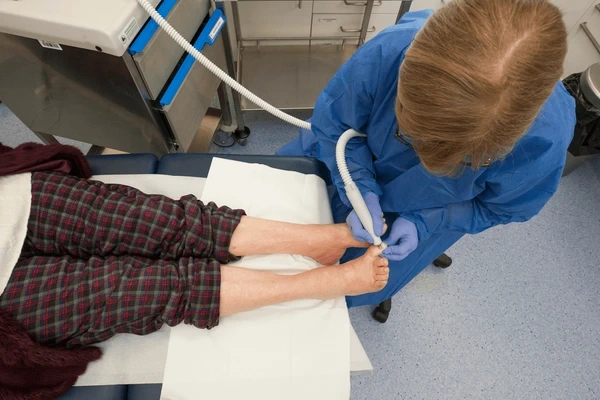
The exact treatment plan depends on the ulcer and the factors affecting its ability to heal. We usually follow these steps when providing diabetic foot ulcer care in Upland, CA:
Reviewing your health history
We discuss your diabetes management, medications, previous wounds, symptoms, and relevant medical conditions.
Examining the wound
We assess its size, depth, location, drainage, surrounding skin, circulation, and sensation.
Cleaning the area
We gently cleanse the ulcer to remove debris and prepare it for further care.
Removing unhealthy tissue
When clinically appropriate, we may perform debridement to clear away dead or damaged tissue.
Applying a dressing
We select a dressing based on the wound’s depth, moisture level, and amount of drainage.
Reducing pressure
We may recommend footwear changes, padding, or another offloading method to protect the affected area.
Planning follow-up care
We provide home-care instructions and schedule future visits based on the wound’s condition.
Why Choose Wound Care Center of So Cal for Diabetic Foot Ulcer Care?
Diabetic foot wounds require careful monitoring, individualized treatment, and clear communication. At Wound Care Center of So Cal, we take time to understand your concerns and explain each part of your care plan. When you choose our team for diabetic foot ulcer care near you, you can expect:
Thorough assessments
We carefully evaluate the wound and the factors that may be affecting healing.
Personalized treatment
We tailor your care plan to the ulcer’s location, depth, condition, and response to treatment.
Gentle clinical care
We use careful techniques during examinations, cleaning, dressing changes, and debridement.
Clear guidance
We explain how to protect the wound and recognize warning signs between appointments.
Consistent monitoring
We track changes and adjust your treatment plan when necessary.
Supportive visits
We listen to your concerns and work to make each appointment as comfortable as possible.
Schedule Your Diabetic Foot Ulcer Care Appointment
A slow-healing foot sore should never be ignored when you have diabetes. At Wound Care Center of So Cal, we offer diabetic foot ulcer care in Upland, CA, to help protect your foot, support healing, and lower the risk of further complications.
Choosing diabetic foot ulcer care near you can make regular follow-up appointments easier to maintain. Call us at (909) 920-0884 to schedule your visit.
FAQs
How can I tell whether a foot sore may be a diabetic ulcer?
These wounds often appear over pressure points, including the ball of the foot, heel, or underside of the toes. Because diabetes can reduce sensation, the area may not hurt. Any blister, cut, cracked callus, or open sore should be professionally examined.
Why can diabetes make foot wounds slower to heal?
Diabetes may affect circulation, nerve sensation, and the body’s ability to respond to infection. These changes can make it harder to notice an injury and may slow tissue repair.
Can I manage a diabetic foot wound with over-the-counter products?
An open foot wound should be evaluated before you apply medications or dressings on your own. Some products may irritate the tissue, trap excess moisture, or hide changes that require professional attention.
How long will the ulcer take to heal?
Healing time varies according to the wound’s depth, location, circulation, pressure on the area, blood sugar management, and response to treatment. We monitor your progress and adjust your plan as needed.
How often will I need follow-up appointments?
The frequency depends on the wound’s severity and how it responds to care. Some ulcers require frequent dressing changes and monitoring, while improving wounds may need less frequent visits.